
Research
Our overall research goal is to advance healthcare by uniting soft devices/interfaces, multimodal signal analysis, and machine learning. These technologies are imperceptible to users, allowing them to carry on with their daily lives while continuously monitoring their health and delivering treatments. Our work aims to overcome the limitations of current bioelectronics in wireless and imperceptible form factors, chronic/ambulatory monitoring, harmonized biofunctionality, and real-time diagnostics and treatment — across mental health, cancer, and cardiac applications.
Research Motivation
Our work is primarily motivated by the need to improve diagnosis and treatment outcomes, by leveraging soft devices/interfaces made from biocompatible/biological materials and then analyzing the signals obtained with those devices to determine various disease states or determine treatments.
- Typical sensors/stimulators are made in bulky, rigid formats, that are not comfortable for regular usage. Soft devices that are mechanically compliant and imperceptible would be much more suitable.
- Implantable tissues, though they can help regenerate lost functions/replace damaged tissue, often lack sensing and stimulation capabilities. These capabilities are important features that can determine the success of implantable tissues/devices.
- Once we have these soft devices/tissues, it is critical to understand the type of data to collect and the associated challenges with data collection. One prominent issue is motion artifacts, from relative motion between the skin/tissue and sensor interface.
- Furthermore, there has been minimal exploitation of machine learning (ML) algorithms when collecting multimodal data, especially using soft sensors. Typical multimodal sensor studies still employ rigid wearables, missing the high-quality data achievable by their soft counterparts.
By implementing/embedding ML with soft devices/tissues, we can improve diagnostics, therapy, and control, eventually leading to better health outcomes.
Research Thrusts
Mental Health & Neurophysiology
We build flexible neural interfaces, wearable brain-monitoring systems, and bioelectronics for studying neurophysiological signals and interventions.
Skin-Printed Interfaces
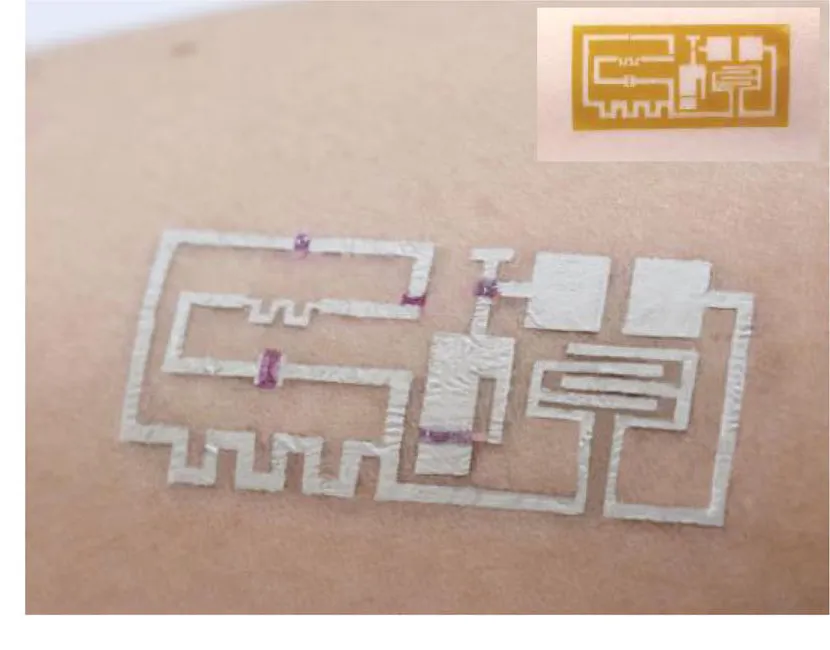
Ambulatory monitoring of physiological signals has largely been confined to the lab due to the rigid and bulky form factors of existing wearables. We are printing mechanically compliant, conformal electrodes directly on the skin and scalp, creating imperceptible interfaces for continuous, real-world monitoring of brain and body signals. We are also developing this platform to be MRI-conditional and enable longitudinal monitoring.
In-Ear EEG
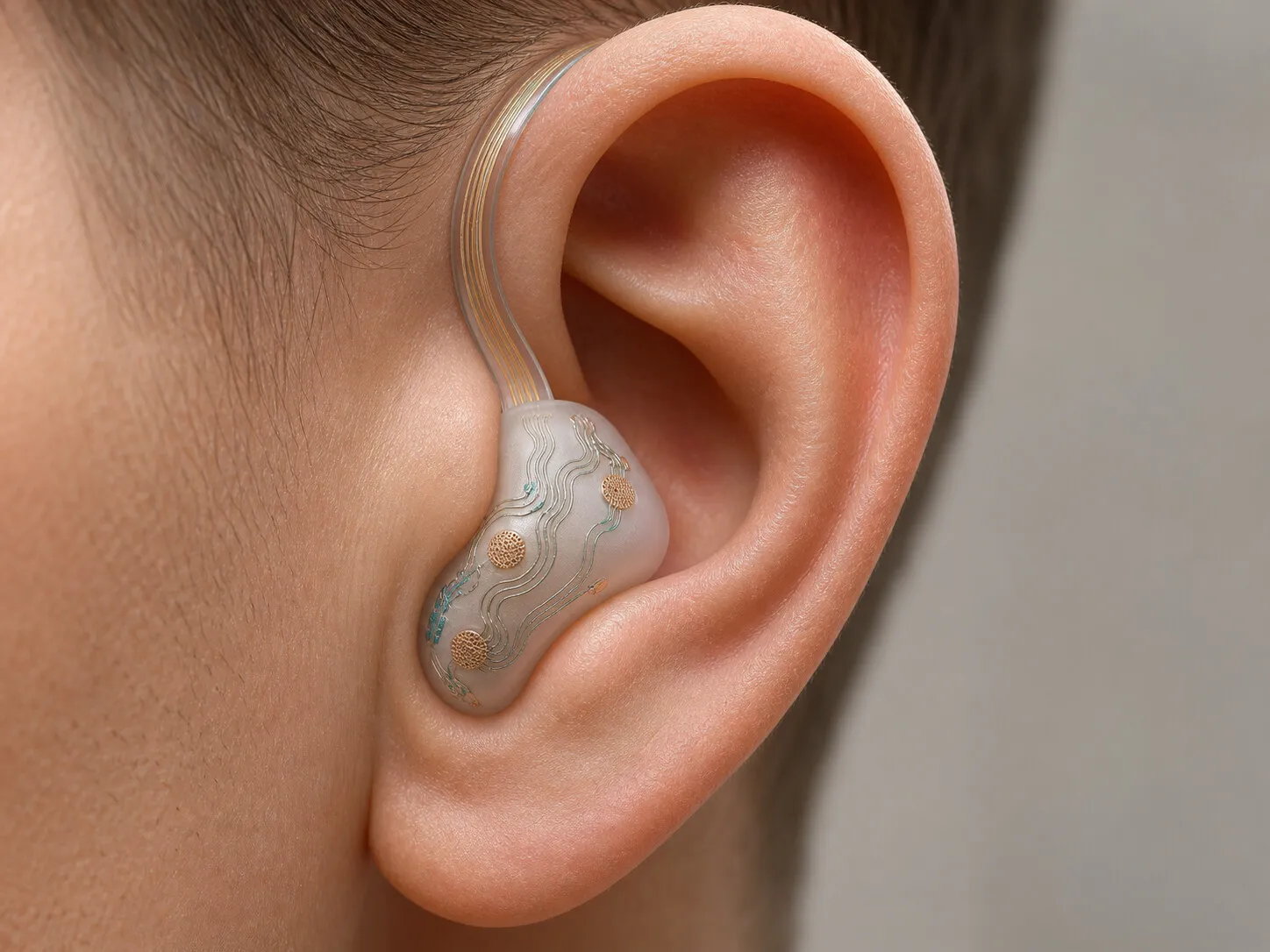
We are developing alternate form factors of EEG devices suitable for monitoring in ecologically valid contexts and delivering closed-loop therapy.
Cancer Immunotherapy & Radiation Monitoring
We create electroactive biomaterials for immunomodulation, bioelectronic scaffolds for cell-based therapies, and sensing platforms for tracking treatment efficacy.
CAR-T Cell Electroactive Scaffolds
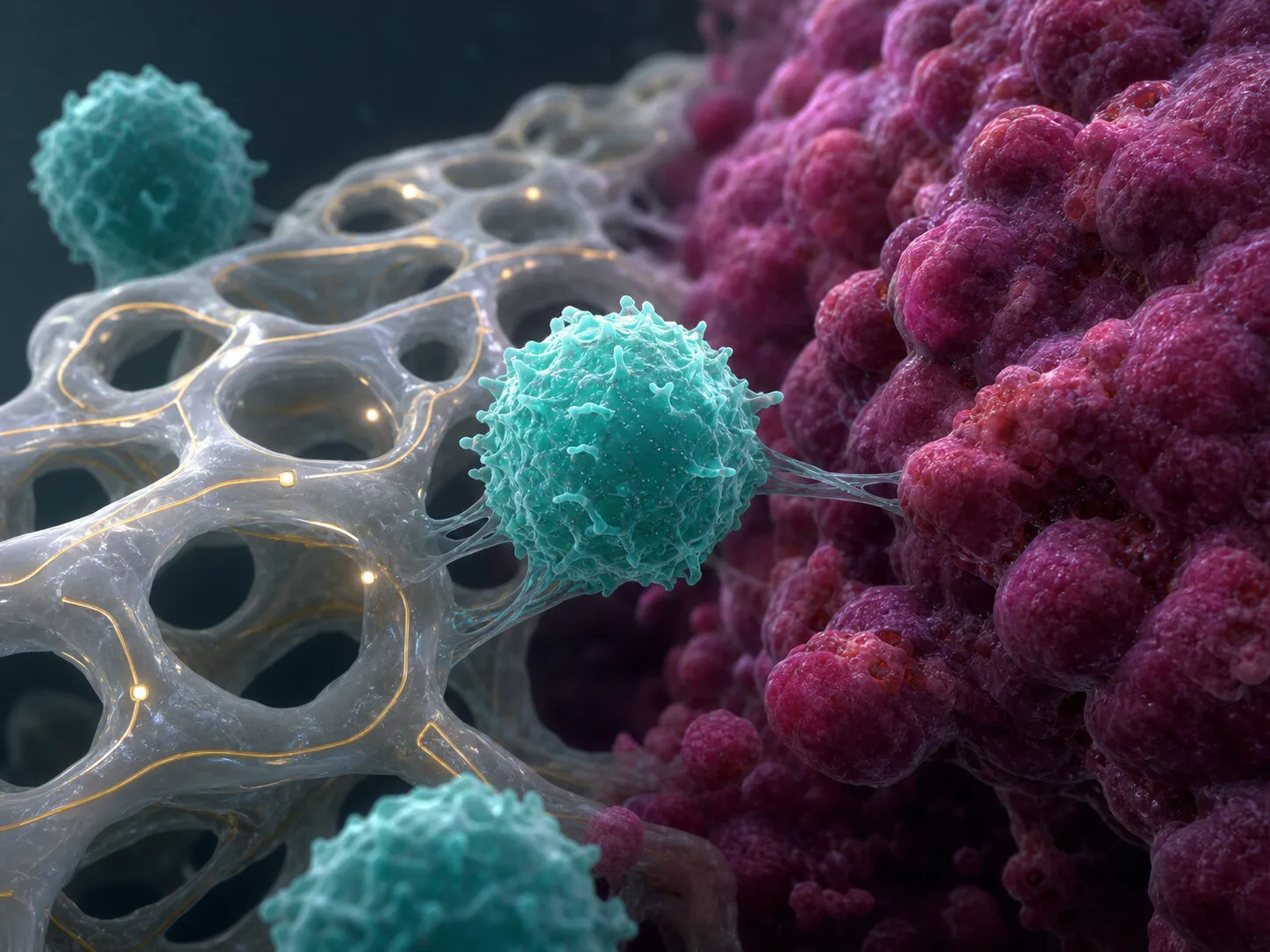
We are engineering devices to serve as intervention strategies to improve the efficacy of cancer immunotherapies.
Radiation Dosimetry Bioelectronics
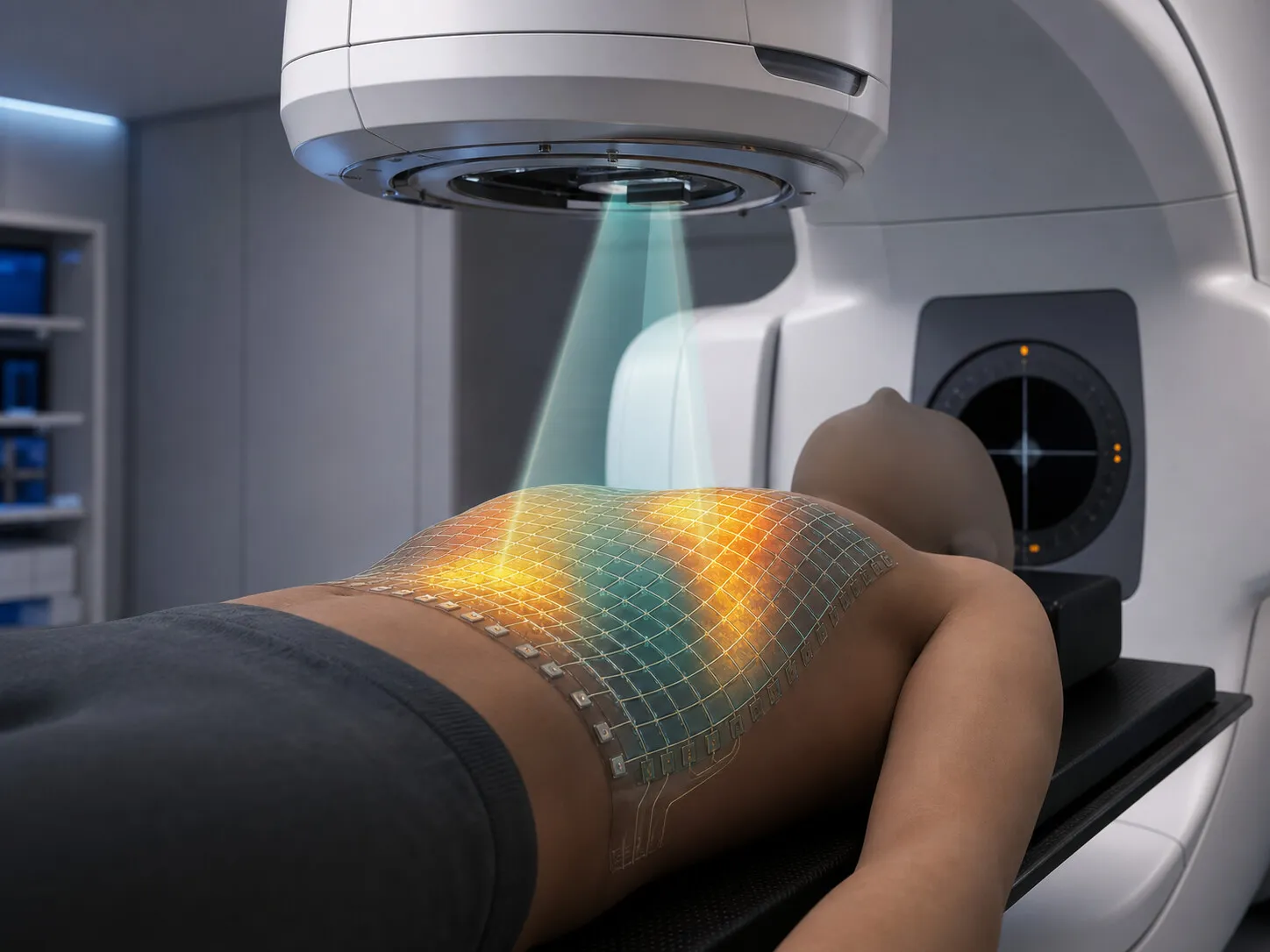
Radiotherapy treats the majority of cancers, yet in vivo dose verification remains limited. We are developing stretchable, skin-conformal dosimeter devices to map real-time, 3D dose distributions during treatment.
Hybrid Cardiac Engineered Tissues and Bioelectronics
We develop 3D bioprinted cardiac tissues, vascularized constructs, wireless stimulation, and physiological monitoring devices for cardiovascular applications.
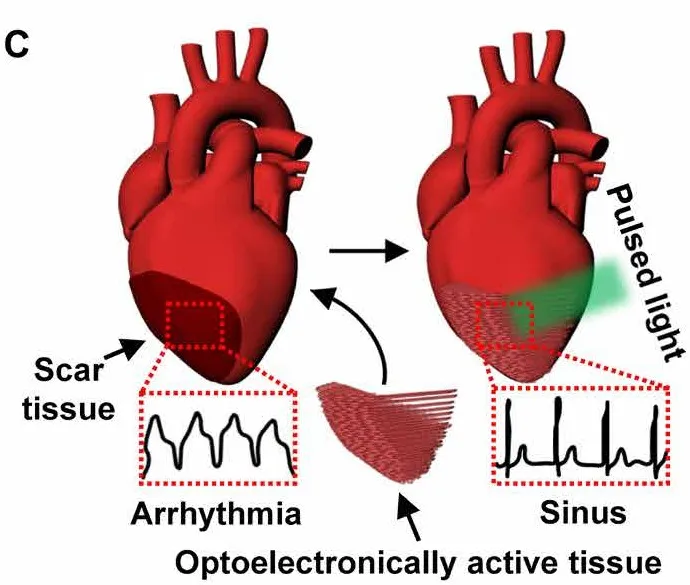
Vascularized Tissue-Electronics
Thick engineered tissues are limited by oxygen and nutrient diffusion, and they also need coordinated electrical activity to function. We are working on combining 3D-bioprinted vascular networks with embedded wireless, soft electronics - enabling simultaneous delivery of nutrients and electrical interrogation of thick tissue constructs in a single "living device."